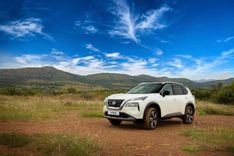
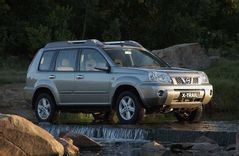
The Nissan X-Trail has been ferrying South African families around for 25 years, and what a journey it's been. From its rugged 2001 debut to today's refined seventh-generation model, this crossover has evolved from boxy utility vehicle to sleek family hauler without losing its adventurous spirit.
From Boxy Beginnings to Sleek Sophistication
We remember the original X-Trail fondly — that angular, no-nonsense machine that looked ready to tackle anything the Karoo could throw at it. Back then, crossovers were still finding their feet, and Nissan's approach was refreshingly honest: build something practical, capable, and affordable.
The first-generation X-Trail landed in South Africa with a 2.0-litre petrol engine producing around 103kW, paired with either front-wheel or all-wheel drive. You weren't buying it for speed records, but for weekend camping trips to the Drakensberg or school runs that occasionally involved gravel roads.
By the time the second generation arrived in 2007, things got more refined. The harsh edges softened, the interior improved, and suddenly the X-Trail felt less like a workhorse and more like a proper family car. South African buyers responded positively — finally, here was a crossover that didn't require apologies.
The Modern Era Arrives
The third-generation X-Trail, which debuted locally around 2014, marked a turning point. Gone was the boxy styling, replaced by Nissan's flowing design language. More importantly, the interior finally felt like it belonged in the 21st century.
This generation brought proper refinement to the X-Trail formula. The 2.5-litre naturally aspirated petrol engine delivered 126kW, while the continuously variable transmission (CVT) — controversial though it was — provided smooth acceleration around town. For many South African families, this X-Trail hit the sweet spot between capability and comfort.
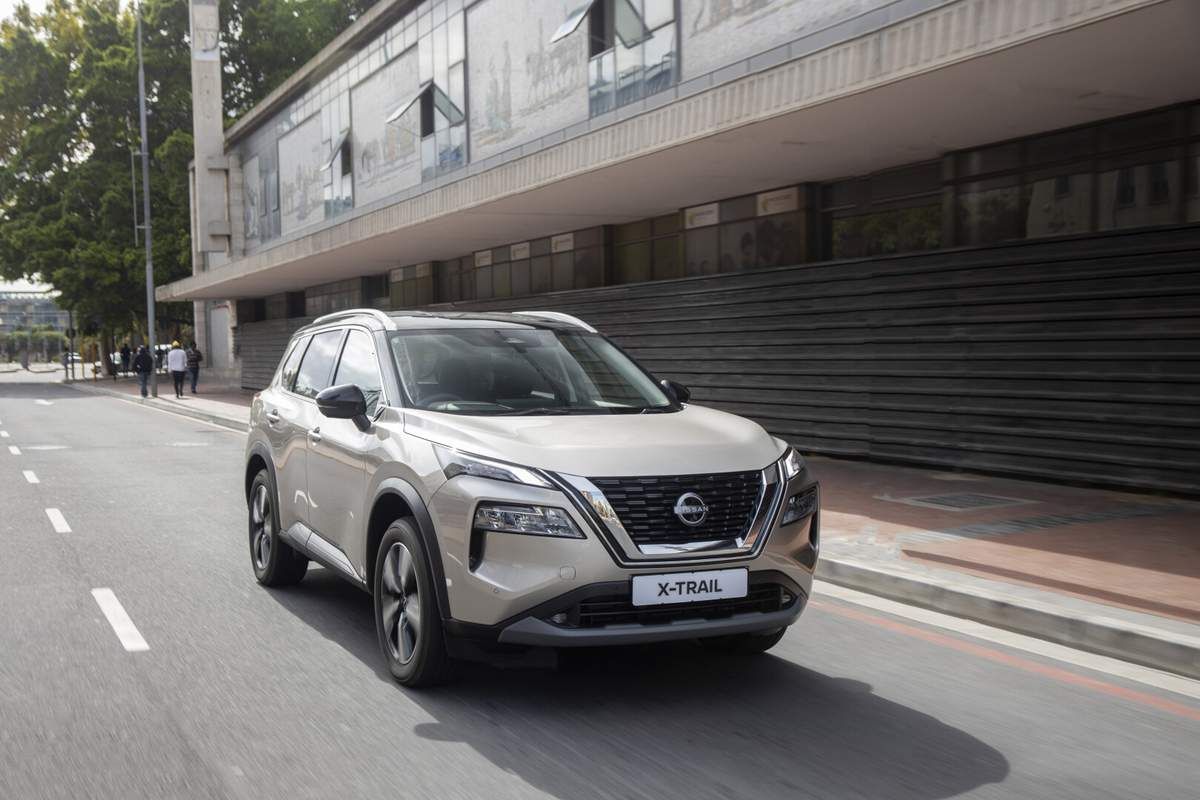
The current model continues this evolution. With sharper styling, improved materials, and better technology, today's X-Trail competes confidently against established players like the Toyota RAV4 and Mazda CX-5.
Why South Africans Keep Coming Back
What's kept the X-Trail relevant in our market for 25 years? Practicality, mainly. You're getting genuine seven-seat capability in most variants — crucial for larger families who can't stretch to a proper SUV budget.
The boot space is generous, the driving position comfortable, and the all-wheel-drive system on higher-spec models provides confidence on gravel roads or during those inevitable Gauteng thunderstorms. It's not the most exciting drive, but it's competent and predictable.
Pricing has always been the X-Trail's secret weapon. While premium German alternatives command R700,000-plus, you can still get into a well-specced X-Trail for around R550,000. That's serious value when you consider the space, features, and seven-year warranty Nissan offers.
Looking Forward
The X-Trail's 25-year milestone comes at an interesting time. Nissan globally is pushing harder into electrification, and we're already seeing hybrid powertrains in other markets. Whether South Africa gets these greener options depends on infrastructure development and pricing pressures.
What's certain is that the X-Trail has earned its place in South African driveways. It's never been the flashiest choice, but it's consistently been one of the most sensible. For families wanting space, practicality, and reliability without breaking the bank, the X-Trail formula still works.
After 25 years, that's no small achievement. Here's to another quarter-century of getting South African families where they need to go, reliably and affordably.
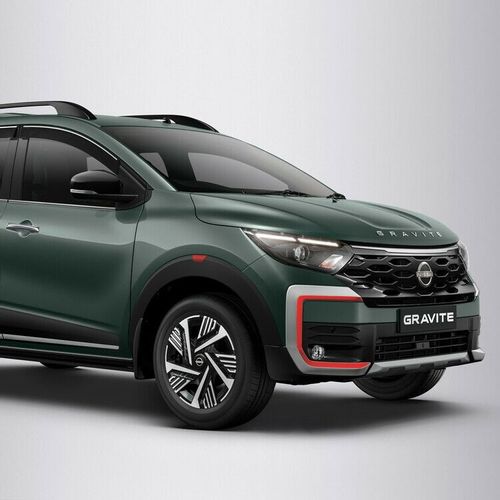
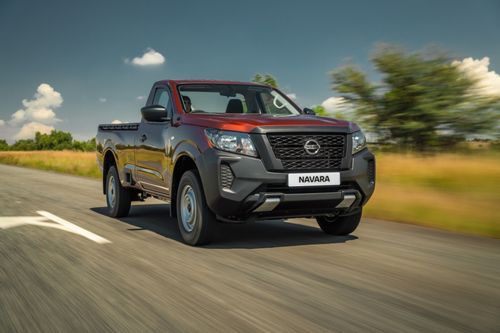
Also worth a look: the Nissan's New Gravite MPV: A 7-Seater for South Africa? and the Nissan Navara.
FAQ
Q: What does the Nissan X-Trail cost in South Africa?
The current Nissan X-Trail starts at around R539,900 for the base Visia model, while the top-spec Tekna with all-wheel drive will set you back approximately R679,900, making it competitive against rivals like the Toyota RAV4 and Mazda CX-5.
Q: Is the Nissan X-Trail worth buying in 2024?
The X-Trail offers excellent value for money with its spacious seven-seat configuration, decent fuel economy of around 7.2L/100km, and Nissan's reliable 2.5-litre naturally aspirated engine producing 126kW, though the CVT gearbox might not appeal to driving enthusiasts.
Q: How reliable is the Nissan X-Trail in South Africa?
The X-Trail has proven fairly reliable on local roads over its 25-year run, with the naturally aspirated petrol engines being particularly robust, though some owners report CVT transmission issues after high mileage and the usual wear items like aircon condensers in our harsh climate.
Q: What are the main competitors to the Nissan X-Trail?
The X-Trail's main rivals include the Toyota RAV4 (from R589,600), Mazda CX-5 (from R529,600), and Hyundai Tucson (from R519,900), with the X-Trail's key advantage being its standard seven-seat configuration at this price point.
Should You Buy It?
Yes, the Nissan X-Trail remains one of the best family crossovers under R700,000 in South Africa, particularly if you need seven seats without jumping to a full-size SUV. The current model's combination of space, reliability, and reasonable running costs makes it a sensible choice for growing families, even if the CVT gearbox feels a bit sluggish compared to traditional automatics. At R539,900 for the entry-level model, it undercuts most premium rivals while offering similar practicality, and after 25 years of evolution, Nissan has finally got the formula right for local conditions.