What you need to know about the Mini SE
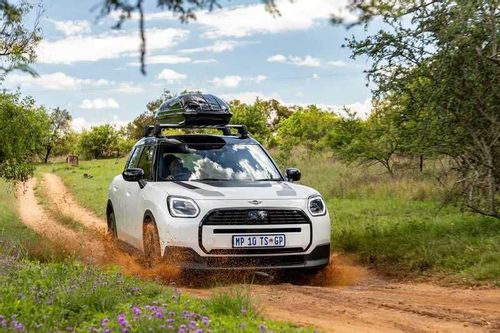
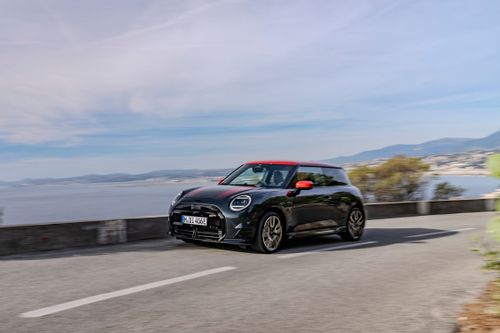
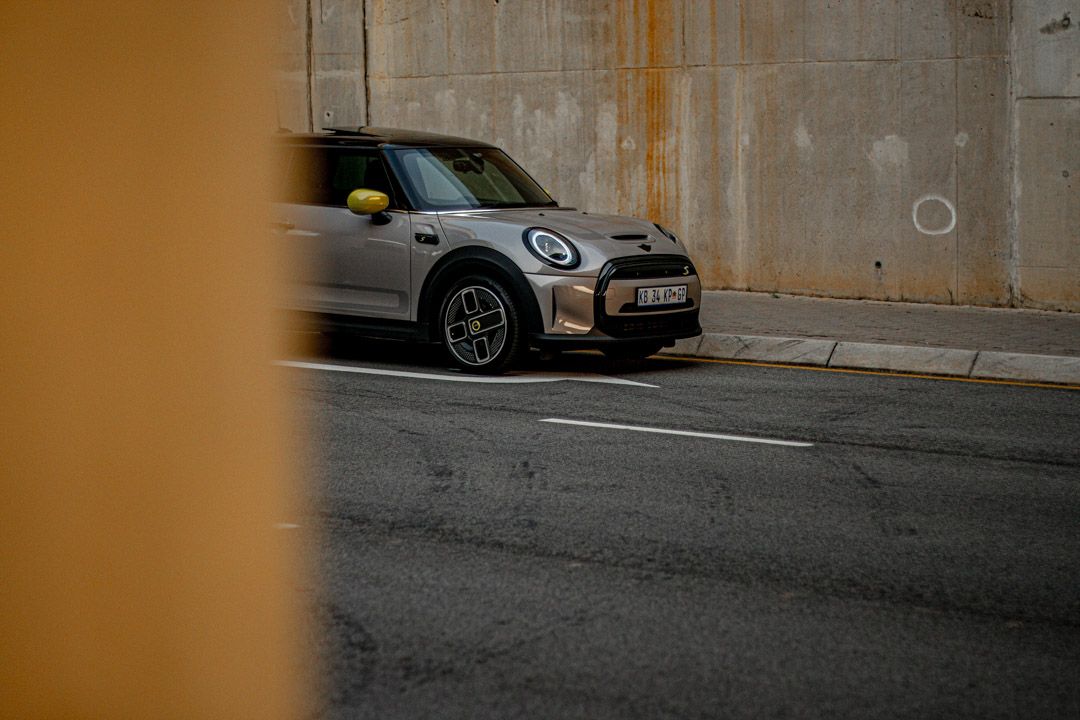
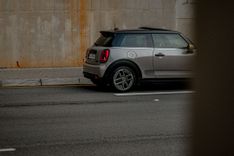
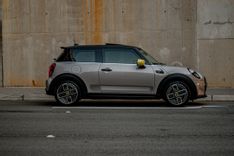
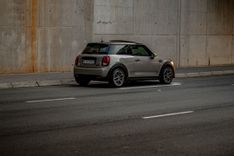
We have seen an onslaught of electric cars headed into our market in the last few months. It seems as if manufacturers are showing their commitment to electrification. One such manufacturer is Mini and we spent time with the Mini SE, their all-electric city slicker.
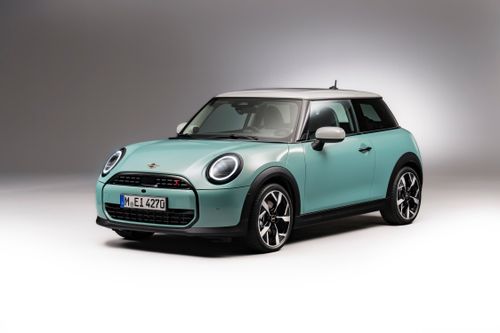
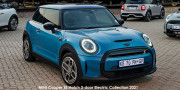
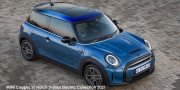
The Mini SE is based on the popular 3-door hatchback variant and is equipped with an all-electric motor. It is powered by a 32.6kWh lithium-ion battery pack which is mounted under the vehicle’s floor. The electric motor develops 135kW and 270Nm of torque which might not sound all that exciting however, this being electric the power is available from the moment you touch the accelerator pedal. This gives the Mini a 0-100km time of around 7 seconds and it really does push you back into the seat due to the constant and near immediate torque.
What's also impressive is that despite its electric setup, the Mini SE remains fun to drive. Its low centre of gravity and tightly tuned suspension provide for a fun driving experience which is typical of a Mini.
While its handling characteristics are typical Mini, it does offer a completely new driving experience. It will cover around 217km before needing a recharge; however that distance can be prolonged due to the vehicle's effective energy regenerative technology. The motor is directly connected to the wheels, so when you lift your foot off the accelerator, the system starts harvesting kinetic energy via the braking system that lets the electric MINI slow down more quickly than a petrol-powered car would. This means that you can, if you plan your acceleration carefully, drive this car with just one pedal.
While you are getting around the city in the Mini SE you can rest assured that the interior remains a quality place to be. This all-electric Mini SE is so quiet that engineers had to install a noise-emitting acoustic protection for pedestrians to warn other road users of its presence.
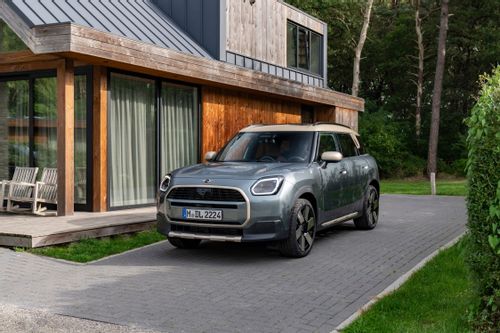
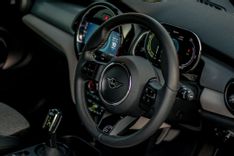
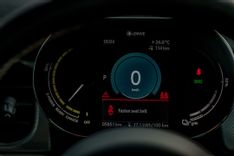
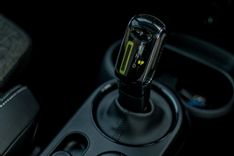
We like the fact that interior design is the same as on other Mini models. Some manufactures have decided to push the limits of design with regards a vehicle's interior inorder for it to stand out as a futuristic electric car. The Mini plays it safe and we like that, we also like the bespoke 5.5-inch digital instrument cluster. This screen is complemented by a 6.5-inch MINI Connected Navigation system with touchscreen that sits in the centre of the dashboard. While front legroom is decent, rear passengers might find it a bit tight despite the Mini now not being all that Mini.
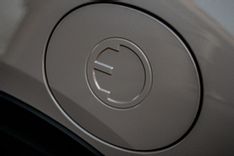
When it comes to charging the Mini SE one can make use of multiple options. The quickest way to recharge the Cooper SE is by plugging it in at a public charging station, where its battery can be replenished to 80% capacity in around 35 minutes through fast-direct charging at up to 50kW. The average price per kW in Johannesburg and Pretoria at a DC charger is around R5.88. This means that from 0km range to 217km it will cost around R192.
The second way to charge is to just plug the car into a conventional household wall socket. We never ran the car on an empty battery and always had around half, or just under half battery capacity. This means that charging it up from a household socket wont take that long and we found that we were topping up more than charging from empty to full. When using the charging cable and adapter, which is supplied as standard with the Mini SE you can expect to gain around 20% charge in approximately 3 hours. We found that plugging it in as soon as we got home was best as the next morning it was fully charged up.
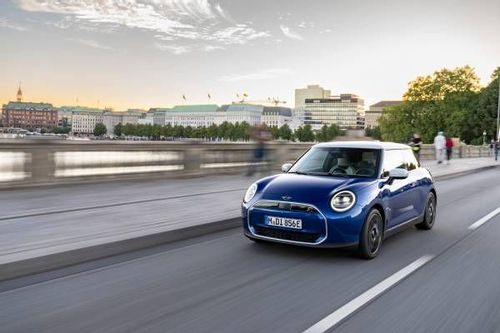
Overall the Mini SE is a great city runaround and much like the eGolf it offers a usable experience that seems to work well within the city limits. We did find that highway driving at constant speeds reduces battery life by a considerable amount. As consumers and vehicle owners we need to adjust our driving style and manage our time in order to allow for charging.
With the technology getting better by the day and large financial commitment by manufacturers to develop the electric car offering we expect the Mini to become even better with more range and faster charging times in the future. Right now we wouldn't mind living with the Mini SE but we will be hanging onto our petrol powered vehicle as well.
Also worth a look: the MINI X1 and the MINI Cooper S.
FAQ
Q: What does the Mini SE cost in South Africa?
The Mini SE starts from around R679,900 in South Africa, making it one of the more premium electric city cars on our market.
Q: How far can the Mini SE go on a single charge?
The Mini SE offers a real-world range of approximately 217km on a single charge from its 32.6kWh battery pack, which is plenty for daily city driving and weekend adventures.
Q: How fast does the Mini SE accelerate?
The Mini SE rockets from 0-100kph in just 7 seconds thanks to its 135kW electric motor that delivers instant torque of 270Nm the moment you press the accelerator.
Q: Is the Mini SE worth buying in South Africa?
The Mini SE is worth buying if you want a premium electric city car with proper Mini character, but only if you can live with the limited range and higher price tag compared to conventional alternatives.
Q: How long does it take to charge the Mini SE?
The Mini SE can charge from 10-80% in about 35 minutes using a 50kW DC fast charger, or you can top it up overnight at home using a standard wall box charger in around 4 hours.
Should You Buy It?
The Mini SE is a brilliant electric city car that proves going green doesn't mean sacrificing fun, but at R679,900 it's a tough sell for most South Africans. If you're after the best electric car under R700,000 in SA and range anxiety doesn't keep you up at night, the Mini SE delivers proper Mini character with zero emissions. However, for pure value, you're better off with a conventional Mini Cooper at half the price or waiting for more affordable electric alternatives to hit our shores. Buy it if you want to be an early adopter with deep pockets, skip it if you need practicality over prestige.