

Aston Martin Valhalla: Forged in the Crucible of Formula 1
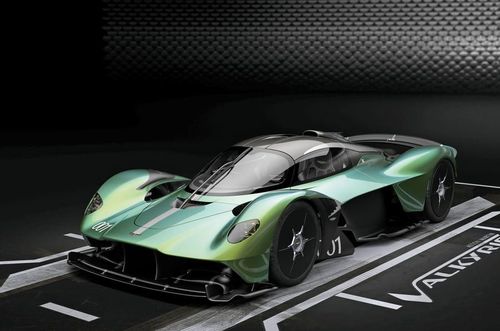
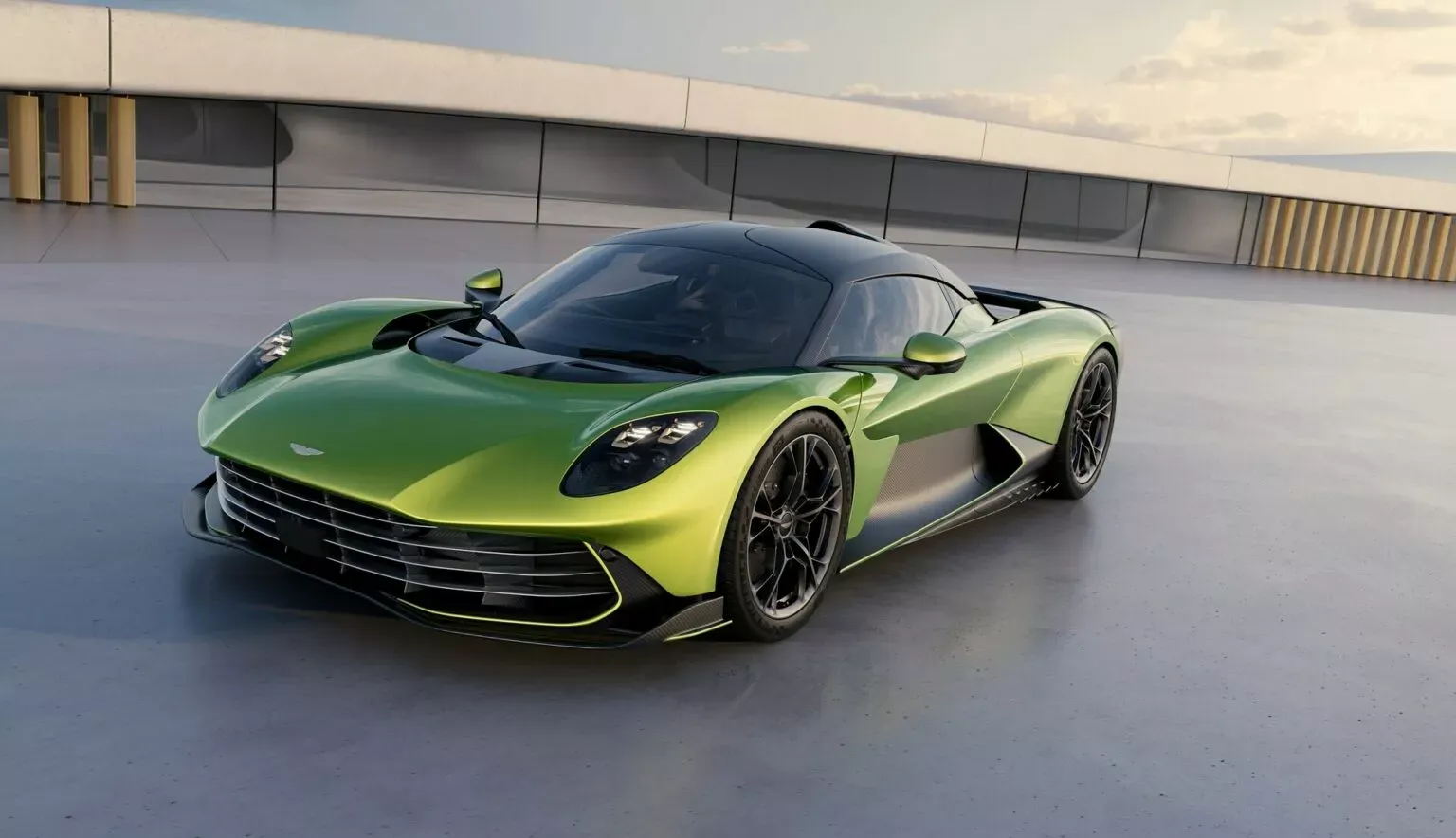
Aston Martin has unveiled the Valhalla, a hypercar that not only pushes the boundaries of performance but also embodies the brand's deep-rooted connection to Formula 1.
This isn't just a road car with racing-inspired styling cues; it's a machine forged in the crucible of motorsport, where every design element and engineering decision is driven by the pursuit of speed and precision.
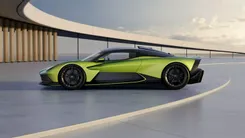
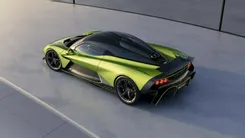
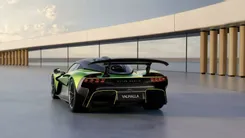
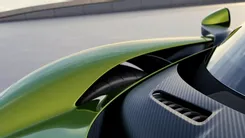
The Valhalla's Formula 1 DNA is evident in its aerodynamic profile, sculpted to generate over 600 kg of downforce at 240 km/h. This aerodynamic efficiency is a direct result of Aston Martin's collaboration with its Formula 1 team, leveraging their expertise in computational fluid dynamics and wind tunnel testing.
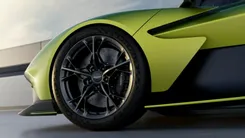
But the influence goes deeper than just aerodynamics. The Valhalla's carbon fiber monocoque chassis, pushrod suspension, and carbon ceramic brakes are all derived from technologies honed on the racetrack. This ensures not only exceptional performance but also a lightweight and agile platform that responds to driver inputs with incredible precision.
Even the Valhalla's driving position is optimized for performance, with a low-slung, F1-inspired seating arrangement that provides a sense of connection to the road. This, combined with the car's exceptional feedback and responsiveness, creates a driving experience that is both exhilarating and rewarding.
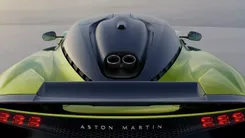
Of course, the Valhalla wouldn't be a true hypercar without a powertrain to match. Its bespoke 4.0-litre twin-turbocharged V8 engine, producing 607 kW, is a testament to Aston Martin's engineering prowess. But it's the integration of three electric motors that truly sets the Valhalla apart.
This hybrid system, with two motors at the front axle for torque vectoring and one in the gearbox, boosts total output to 790 kW and 1,100 Nm of torque. The result is a car that can launch from 0 to 100 km/h in a staggering 2.5 seconds and reach a top speed of 350 km/h.
Yet, the Valhalla is not just about raw power. It can also operate in pure electric mode for up to 14 km, showcasing Aston Martin's commitment to sustainable performance.
With production limited to just 999 units, the Valhalla is an exclusive offering that represents the pinnacle of Aston Martin's engineering capabilities.
It's a hypercar that embodies the brand's racing heritage and points towards a future where performance and electrification go hand-in-hand.
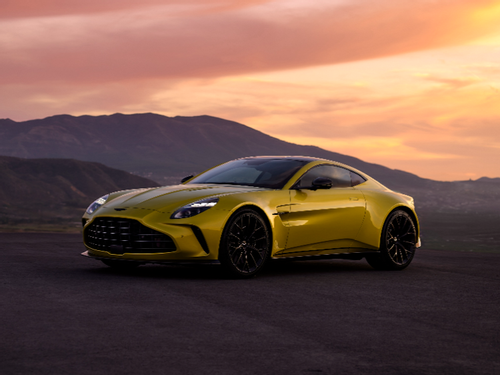
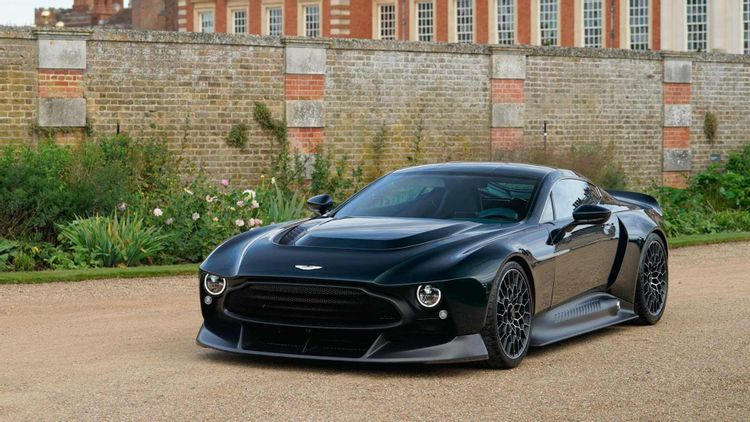
Also worth a look: the Aston Martin soars high with their all-new powerful V8 Vanta and the The new Aston Martin Victor, a manual masterpiece.
FAQ
Q: What does the Aston Martin Valhalla cost in South Africa?
The Aston Martin Valhalla is expected to cost around R12 million to R15 million in South Africa, making it one of the most expensive hypercars available locally and putting it in direct competition with the McLaren 765LT and Ferrari SF90 Stradale.
Q: Is the Aston Martin Valhalla worth buying?
The Valhalla is worth buying if you want genuine Formula 1 technology in a road car and have the budget for a R12-15 million hypercar, as it offers 790 kW of power, 0-100 kph in 2.5 seconds, and aerodynamics that generate 600 kg of downforce at speed.
Q: How fast is the Aston Martin Valhalla compared to other hypercars?
The Valhalla's 2.5-second 0-100 kph time and 350 kph top speed puts it ahead of most supercars but slightly behind the Bugatti Chiron and McLaren Speedtail in outright top speed, though its Formula 1-derived aerodynamics give it superior track performance.
Q: What makes the Aston Martin Valhalla different from other hybrid supercars?
The Valhalla stands out with its genuine Formula 1 technology transfer, three electric motors for advanced torque vectoring, carbon fibre monocoque chassis, and the ability to generate 600 kg of downforce, which is more than most track-focused supercars.
Should You Buy It?
The Aston Martin Valhalla is the hypercar to buy if you have R12-15 million and want the closest thing to a Formula 1 car for the road. With 790 kW of hybrid power, genuine F1-derived aerodynamics, and a 2.5-second sprint to 100 kph, this isn't just another rich person's toy, it's a proper engineering masterpiece. Yes, it costs more than a decent house in Sandton, but you're buying direct technology transfer from the pinnacle of motorsport. The Valhalla is worth every rand if you can afford it and want to own a piece of Formula 1 history that you can actually drive to the Kyalami track day.